Dive deep into sealed atmospheric vaults designed specifically to shield 16th-century cartography, antique nautical logs, and rarest maritime literature from terrestrial decay.
The physical architecture of the Underwater Archives consists of multi-layered steel and titanium alloy shells encased in concrete. By displacing atmospheric moisture with a custom-regulated dry-nitrogen atmosphere, we completely eliminate the oxidation of historical parchment.
Scholars operating within Level -2 do so through computerized robotic interfaces or via isolated pressure lock reading zones to prevent the human breath from destabilizing the micro-climate.
Request Archival Access
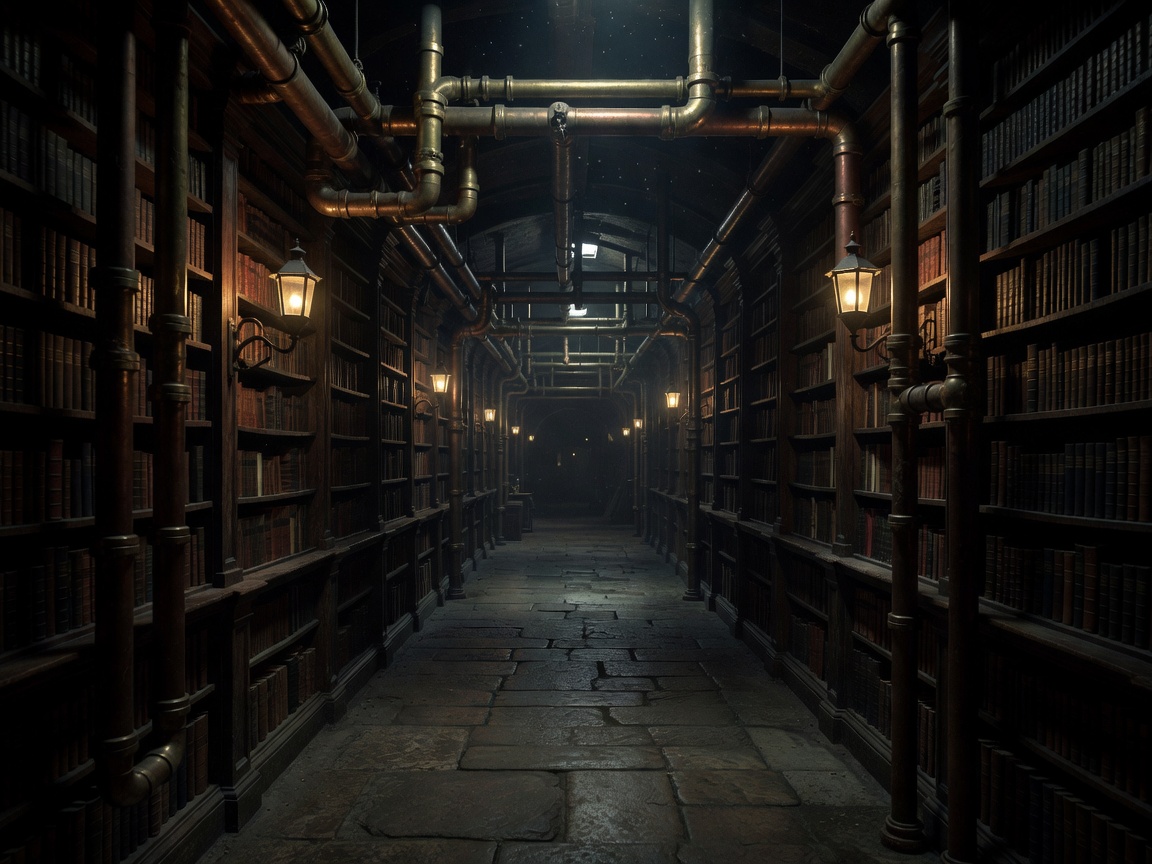
A small sampling of historical assets currently accessible in Level -2 for certified researchers holding a Tier-1 Scholar Pass.
An original hand-drawn sheepskin cartographic ledger outlining the early harbors of New England. Preserved under 98% dry nitrogen to eliminate pigment decay.
The daily records of the arctic recovery vessel, recovered from sea-ice sediment. Features multi-spectral scans mapping lost pencil outlines.
A foundational document detailing the British closure of Boston Harbor. Locked in vibration-isolated dry containment cells.
Maintaining biological dormancy for centuries-old materials requires rigorous, continuously-monitored metrics.
| Control Parameter | Target Level | Sensing Frequency | Primary Engineering System |
|---|---|---|---|
| Ambient Temperature | 15°C ± 0.5°C | Continuous (Real-Time) | Geothermal Deep-Sea Chiller Loops |
| Relative Humidity | 32% (Stable) | Every 5 seconds | Desiccant Dry-Air Scrubber Systems |
| Atmospheric Composition | 95% Pure Nitrogen | Every 10 seconds | High-Efficiency Gas Separation Generators |
| Vibration Control | < 0.02 Hz | Seismic Sensors | Pneumatic Floating Foundation Damping Pads |